Why Visit Ethiopia in 2026?
Ethiopia is one of Africa’s most historically rich and culturally unique destinations — and 2026 is an excellent year to visit. The country offers an astonishing combination of ancient history, dramatic landscapes, unique wildlife, and a vibrant food and coffee culture that is unlike anywhere else in the world. As one of only two African nations never colonized (the other being Liberia), Ethiopia has preserved a culture and identity deeply rooted in its own traditions.
Before exploring what this remarkable country has to offer, make sure your travel documents are in order. All international visitors (except Kenyan and Djiboutian nationals) need a valid visa. Apply online at evisa.gov.et — the Ethiopia eVisa for 30 days costs $62 and processes in 3 business days. See our complete guide on how to apply for the Ethiopia eVisa.
When to Visit Ethiopia
Ethiopia has two main seasons that affect travel planning:
Dry Season (October-May)
The best time to visit Ethiopia is the dry season, particularly October to January and March to May. Skies are clear, roads are passable, and outdoor activities are most accessible. The famous Timkat festival (Ethiopian Epiphany) occurs in January — an extraordinary cultural spectacle.
Rainy Season (June-September)
The main rainy season (kiremt) runs from June to September. Rains make some roads difficult, particularly in northern regions. However, the Omo Valley and Simien Mountains can be particularly lush and beautiful. Fewer tourists mean lower prices and a more authentic experience.
Top Destinations in Ethiopia
Addis Ababa — The Vibrant Capital
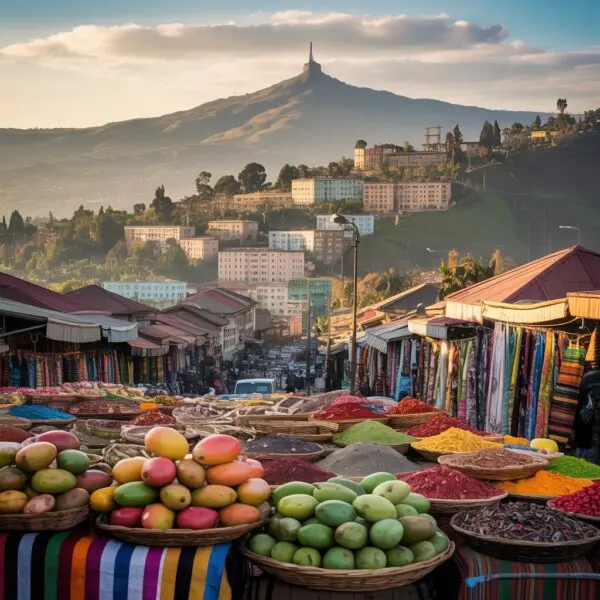
Ethiopia’s capital is a city of contrasts — ancient markets alongside modern skyscrapers, traditional coffee ceremonies next to international restaurants. Must-see attractions include:
- National Museum of Ethiopia — Home to “Lucy” (Australopithecus afarensis fossil), one of the most complete early human skeletons ever found
- Holy Trinity Cathedral (Kidist Selassie) — A stunning Ethiopian Orthodox church and burial site of Emperor Haile Selassie
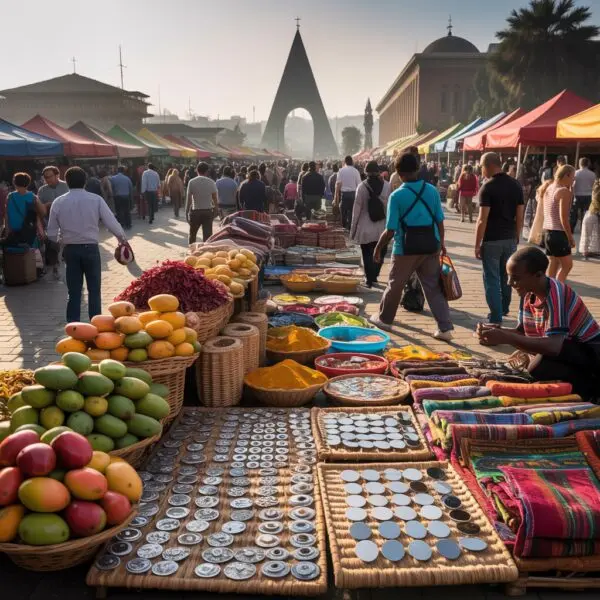
- Merkato — One of Africa’s largest open-air markets
- Entoto Mountain — Forested hills above the city with panoramic views and the historical church of Entoto Maryam
See our dedicated Addis Ababa travel guide for detailed tips.
Lalibela — Ethiopia’s Jerusalem
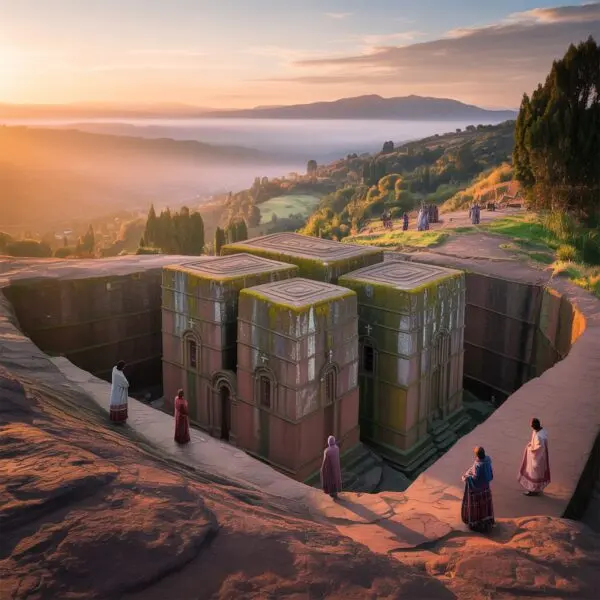
Lalibela is arguably Ethiopia’s most iconic destination. The town contains 11 rock-hewn churches carved directly from solid red volcanic rock, dating back to the 12th-13th centuries. This UNESCO World Heritage Site remains an active pilgrimage destination for Ethiopian Orthodox Christians. The most famous structure, Bete Giyorgis (Church of Saint George), is a masterpiece of ancient architecture.
Lalibela is accessible by Ethiopian Airlines flights from Addis Ababa (approximately 1 hour). Our dedicated Lalibela travel guide covers the best ways to explore this extraordinary site.
Simien Mountains National Park
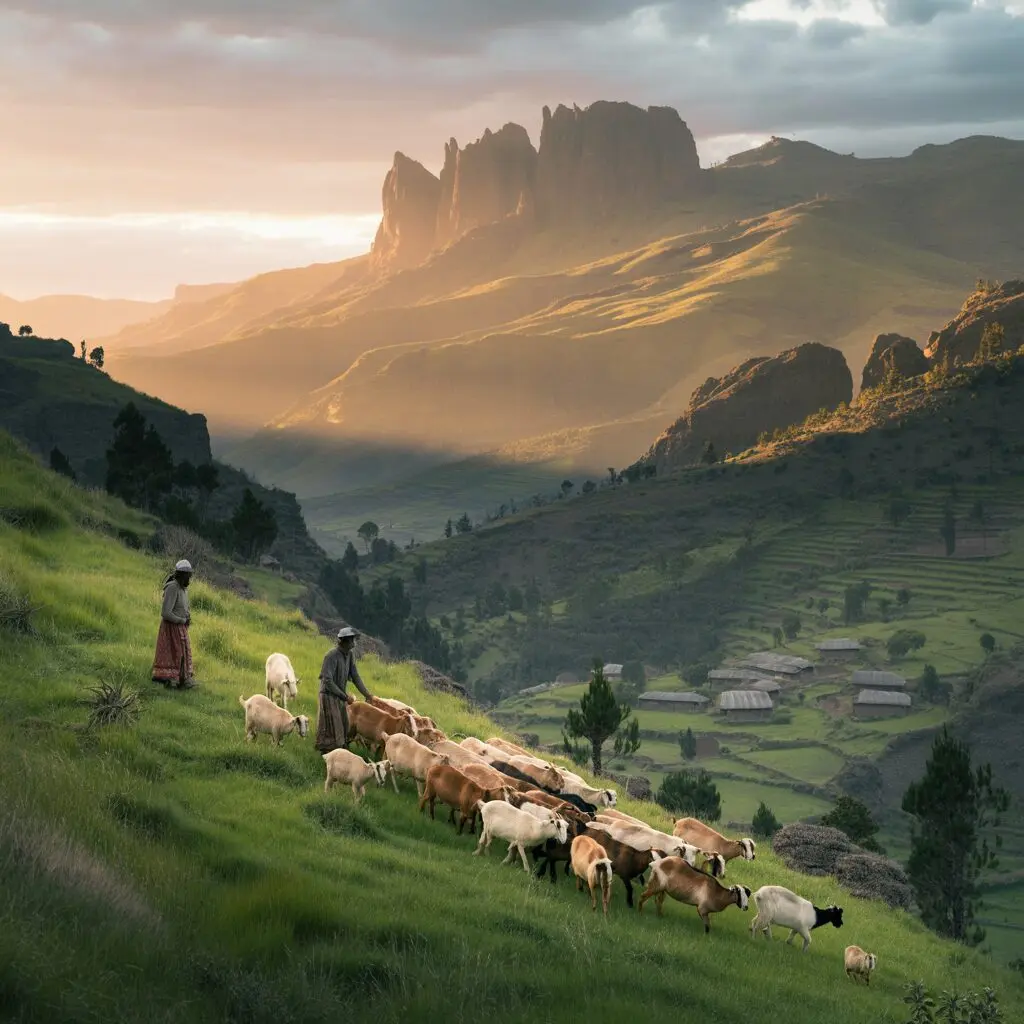
The Simien Mountains are one of Africa’s most dramatic highland landscapes — a UNESCO World Heritage Site featuring jagged peaks, deep gorges, and unique wildlife. Key highlights:
- Gelada baboons — Unique to the Ethiopian Highlands, these grass-eating primates live in herds of hundreds
- Ethiopian wolves — The rarest canid in the world, found primarily in the Bale Mountains and Simien
- Ras Dashen — Ethiopia’s highest mountain (4,550m), accessible by multi-day trek
- Trekking routes — From day hikes to 7-day treks with mountain camps
Gondar — The Camelot of Africa
Gondar was Ethiopia’s royal capital from the 17th to 19th centuries. The Royal Enclosure (Fasil Ghebbi) — a UNESCO site — contains a complex of stone castles built by Emperor Fasilides and his successors. The Debre Berhan Selassie Church is famous for its ceiling covered in painted angel faces.
Axum — Ancient Empire
Axum was the capital of one of the ancient world’s great empires. Today it features towering granite obelisks (stelae), ancient royal tombs, and the Church of Our Lady Mary of Zion — the Ethiopian Orthodox church believed to house the original Ark of the Covenant. Another UNESCO World Heritage Site.
Omo Valley — Cultural Immersion
The Omo Valley in southwestern Ethiopia is one of the world’s great anthropological destinations. It’s home to over 16 indigenous tribes including the Mursi (known for lip plates), the Hamar, the Karo, and the Benna. Cultural tours visiting tribal villages and weekly markets offer a glimpse into lifestyles largely unchanged for centuries.
Bale Mountains National Park
The Bale Mountains in southeastern Ethiopia offer superb wildlife viewing, particularly for Ethiopian wolves, mountain nyala, and a vast array of endemic birds. The Sanetti Plateau — the largest area of Afroalpine habitat in Africa — is accessible by road and is one of the best places in the world to see Ethiopian wolves.
Practical Travel Tips for Ethiopia 2026
- Currency: Ethiopian Birr (ETB). USD is widely accepted for large purchases and some tourist services. ATMs are available in Addis Ababa and major cities.
- Language: Amharic is the official language. English is widely spoken in tourism industry and major cities.
- Getting around: Ethiopian Airlines has an extensive domestic network. Road travel is possible but time-consuming outside major routes.
- Accommodation: Addis Ababa has international hotels; major tourist sites have options from budget guesthouses to mid-range hotels. Luxury options are limited outside the capital.
- Health: Take malaria prophylaxis if traveling outside Addis Ababa. Yellow fever vaccination may be required depending on your origin country. Stay hydrated at altitude.
- Safety: Addis Ababa and main tourist areas are generally safe. Avoid regions with active conflict — check your government’s travel advisory before visiting.
Frequently Asked Questions
Is Ethiopia safe for tourists in 2026?
Addis Ababa and major tourist destinations (Lalibela, Gondar, Axum, Simien Mountains) are generally accessible for tourists. Some regions face security challenges. Always check your government’s current travel advisory (US State Dept, UK FCDO, etc.) before your trip and register your travel with your embassy.
What language do people speak in Ethiopia?
The official language is Amharic, but Ethiopia has over 80 languages. English is widely used in tourism, hotels, and Addis Ababa. In rural areas, an Amharic phrase book or a local guide is very helpful.
What currency does Ethiopia use?
The Ethiopian Birr (ETB) is the official currency. USD is often accepted for tourist services. Credit cards work in Addis Ababa hotels; cash is essential outside the capital. ATMs are available in major cities.
Do I need a visa to visit Ethiopia?
Yes — most nationalities need a visa. Apply for the eVisa online at evisa.gov.et ($62 for 30 days, processed in 3 business days). Kenyan and Djiboutian citizens are visa-exempt. Full details: Ethiopia eVisa guide.